Bathroom tile has to do more than look good on a mood board. It needs to stand up to constant moisture, offer traction where you need it, complement your home’s style, and fit within your renovation budget. Get one of those factors wrong, and even the most beautiful tile can become a daily frustration.
At Home Renovation Pros, we help Rhode Island homeowners choose bathroom materials that balance appearance, durability, maintenance, and budget. The right tile depends not only on the look you want, but also on where it will be installed and how the bathroom will be used. A shower floor and an accent wall have very different demands, and the best choices reflect that.
Below, we break down the best bathroom tile ideas, from porcelain versus ceramic to color selection and slip resistance, so you can plan a bathroom that looks great and performs for years.
Quick Answer: What Is the Best Tile for a Bathroom?
Quick answer: Porcelain and ceramic tile are among the best choices for Rhode Island bathrooms because they’re durable, moisture-resistant, available in many styles, and relatively easy to maintain. Porcelain is especially well suited to bathroom floors and showers because of its low water absorption. The best tile ultimately depends on its location, desired appearance, maintenance, safety, and budget.
1. Porcelain vs. Ceramic Bathroom Tile
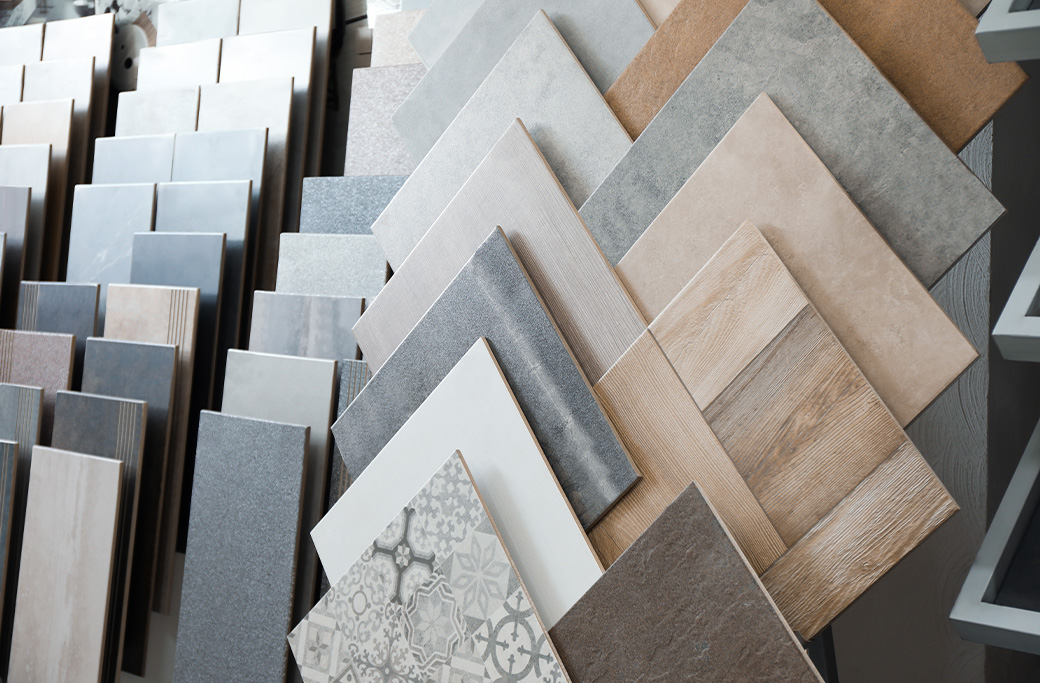
Porcelain and ceramic are the two most common bathroom tiles, and the differences matter more than most homeowners expect. Porcelain is fired at higher temperatures, making it denser and less absorbent. That low water absorption is why porcelain performs so well on shower floors and wet areas.
Ceramic tile is generally more affordable and slightly easier to cut and install, which can lower labor costs. It works beautifully on walls and in lower-moisture zones. Both offer an enormous range of colors, finishes, and formats, so you rarely sacrifice design options with either.
|
Porcelain |
Ceramic |
|
|---|---|---|
|
Water resistance |
Excellent |
Good |
|
Durability |
Very high |
Good |
|
Typical use |
Floors, showers, walls |
Walls, floors |
|
Cost |
Usually higher |
Usually lower |
|
Design options |
Extensive |
Extensive |
Our recommendation at Home Renovation Pros: use porcelain for floors and showers where moisture and wear are highest, and consider ceramic for walls or accents where budget flexibility helps. Neither is universally “better.” The right pick depends on the location and how hard the surface will work.
2. Best Tile Ideas for Bathroom Floors
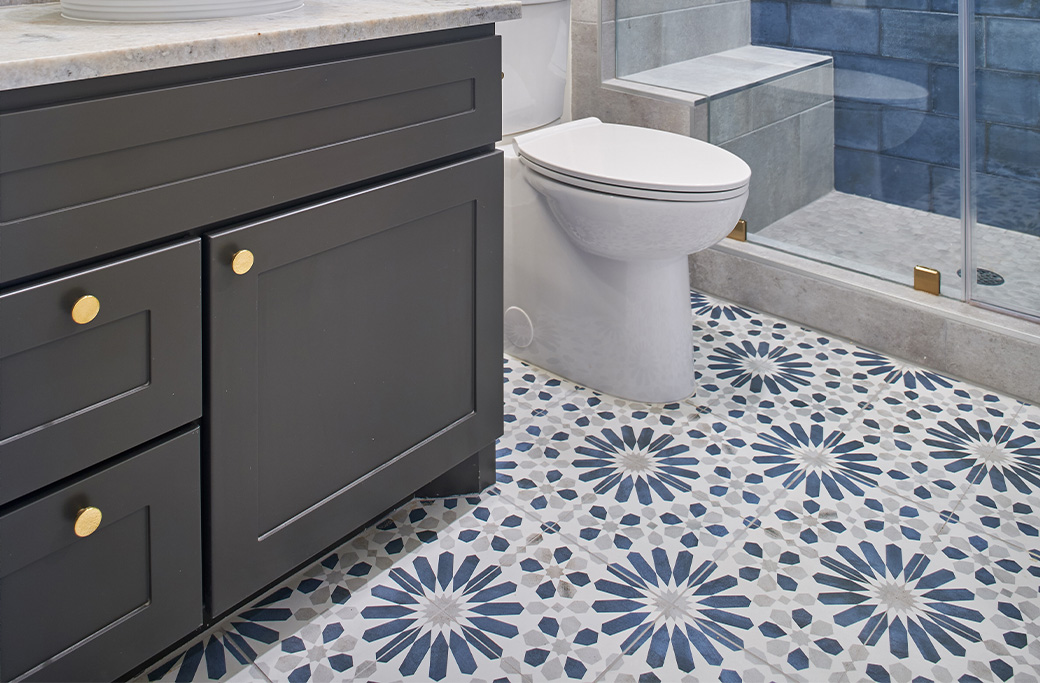
Bathroom floors demand more than good looks. Prioritize water resistance, slip resistance, durability, easy cleaning, and a tile scale that suits the size of the room. A gorgeous polished tile isn’t automatically a smart floor choice if traction is a concern. Wet feet and slick surfaces don’t mix.
Strong flooring options include:
-
- Porcelain for its density and low water absorption
- Stone-look porcelain for natural texture without the maintenance of real stone
- Wood-look porcelain for warmth that resists moisture
- Hexagon tile for a classic, grippy small-format look
- Neutral large-format tile for a clean, seamless appearance
Choosing appearance over practicality is one of the most common bathroom remodeling mistakes we see. A floor should feel as safe as it looks—especially in a family bathroom.
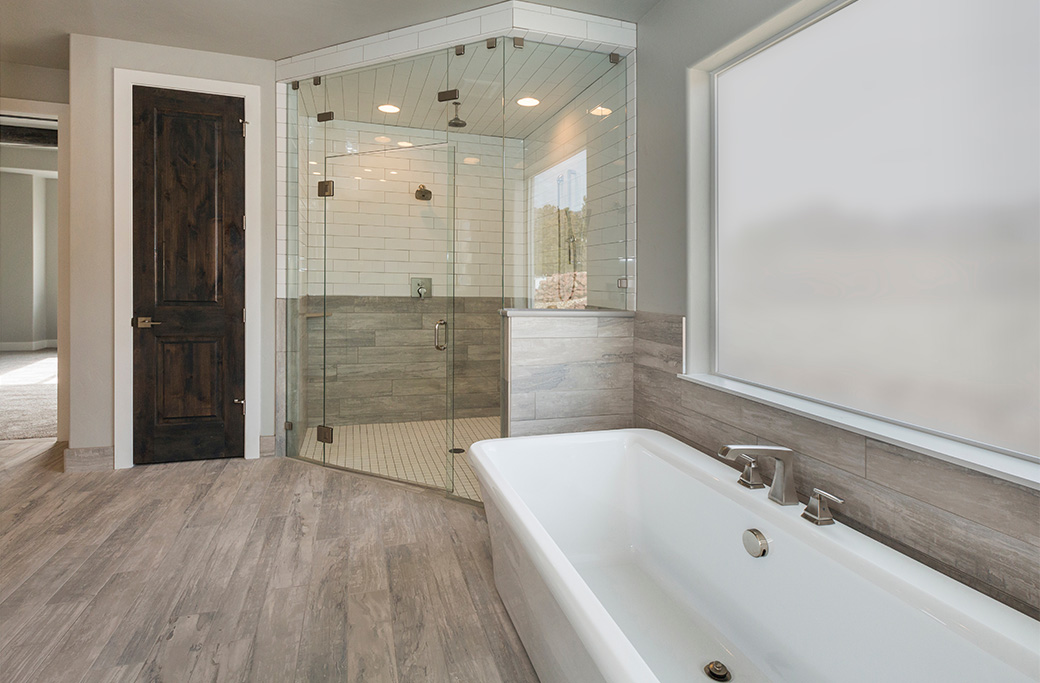
3. Best Tile Ideas for Walk-In Showers
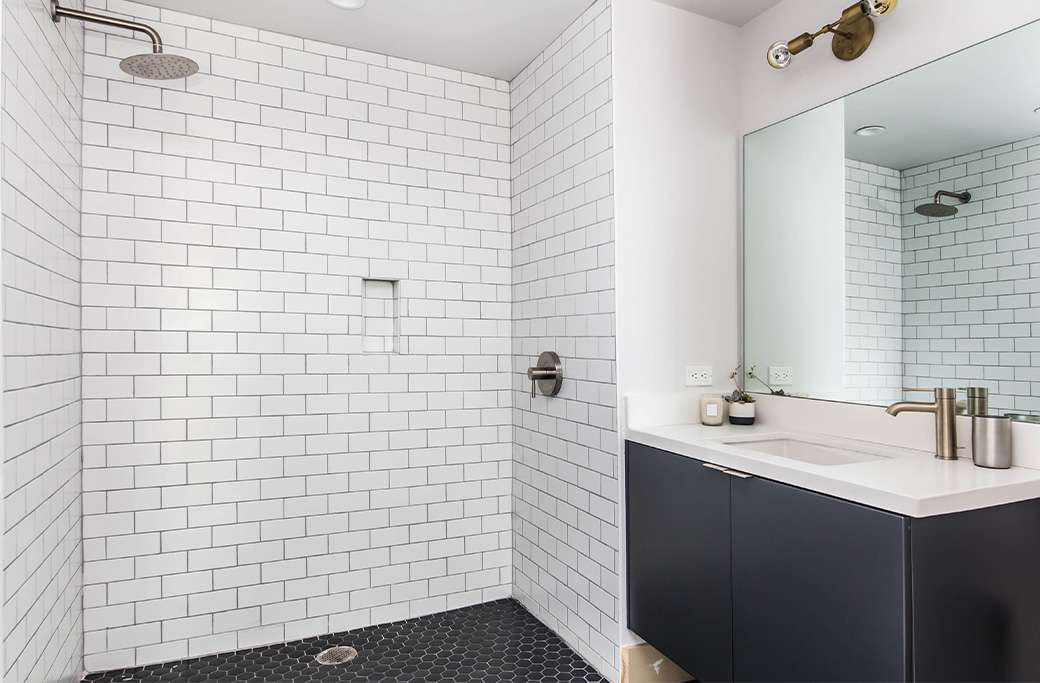
Walk-in showers give you the most room to make a design statement, but they also carry the highest performance demands. You’re working with several surfaces at once: shower walls, the shower floor, niches, and any accent tile.
Shower walls often shine with large-format tile, which reduces grout lines and creates a sleek, easy-to-clean surface. Shower floors are different. Smaller-format or mosaic tile is frequently the better choice here because more grout lines mean better traction, and smaller tiles conform to the floor’s slope toward the drain. Niches and accent tile add personality without overwhelming the space.
A few design combinations that work well:
-
- Classic: white subway walls paired with a contrasting floor
- Spa-inspired: warm stone-look porcelain throughout
- Modern: large-format neutral tile for a minimalist feel
- Traditional: marble-look tile with classic patterns
Grout and maintenance matter just as much as the tile. If you’re weighing shower designs, our guide to popular shower styles can help you match tile to the right enclosure.
4. Are Large-Format Tiles Good for Bathrooms?
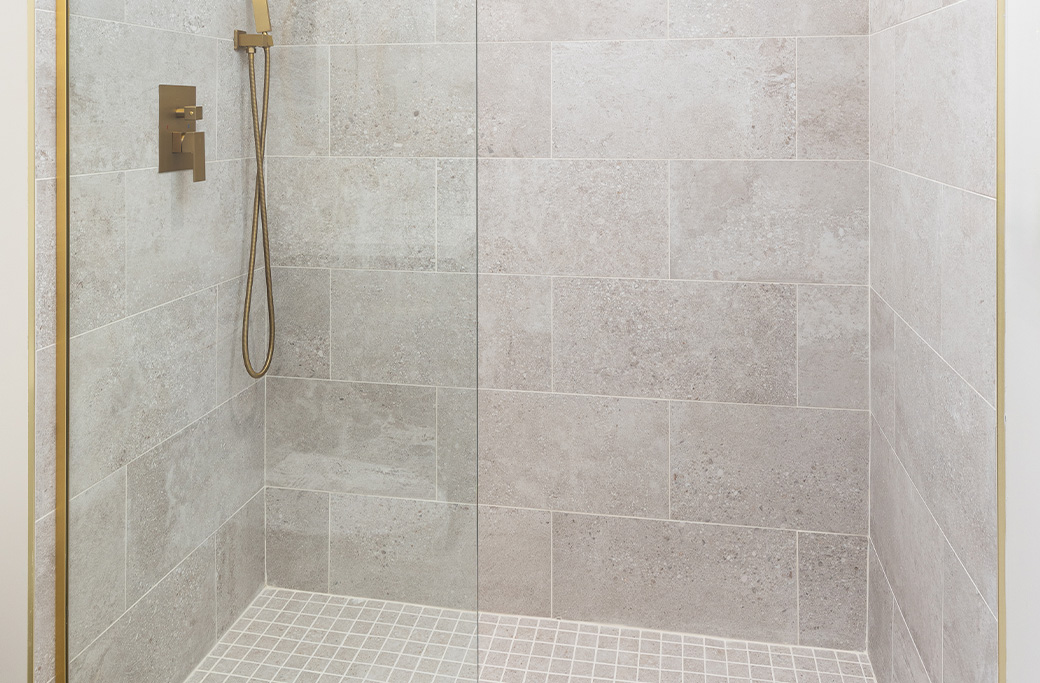
Yes, large-format tiles work exceptionally well in many bathrooms. Because they cover more surface with fewer seams, they reduce visible grout lines, create a cleaner appearance, and make walls feel less visually busy. They’re particularly effective on shower walls, where that seamless look reads as modern and spa-like.
There is a catch. Large-format tile requires a properly prepared, flat substrate and careful planning since large tiles reveal any unevenness underneath. Large-format shower walls are not the same as shower floors. Floors need slope, proper drainage, and enough traction, which usually calls for smaller tile in that specific zone.
5. Bathroom Tile Ideas for Small Rhode Island Bathrooms
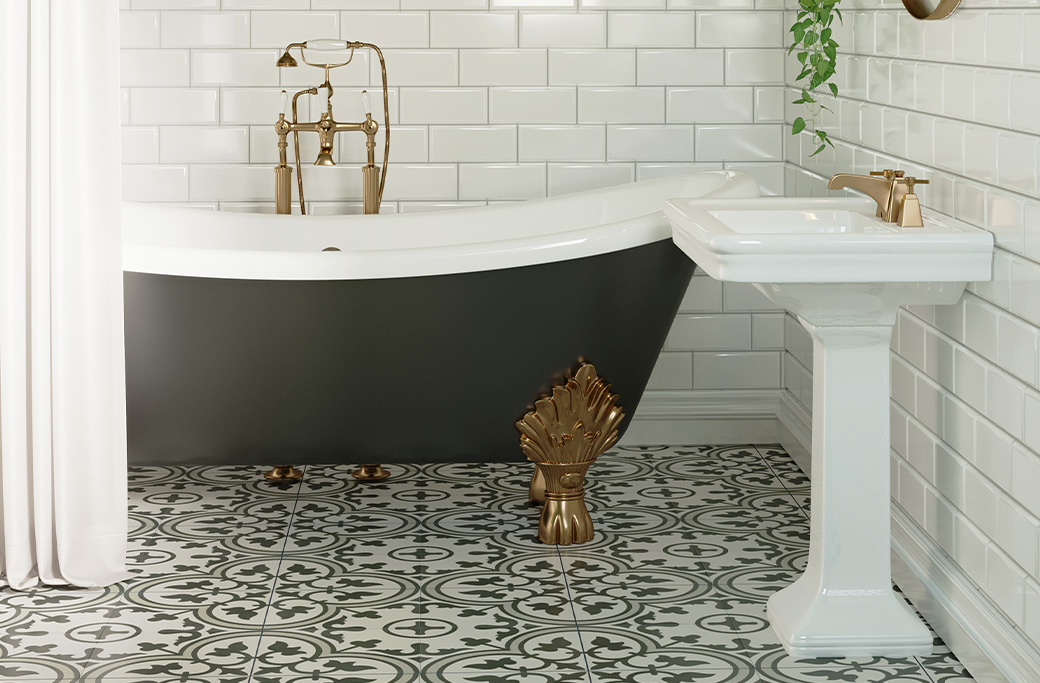
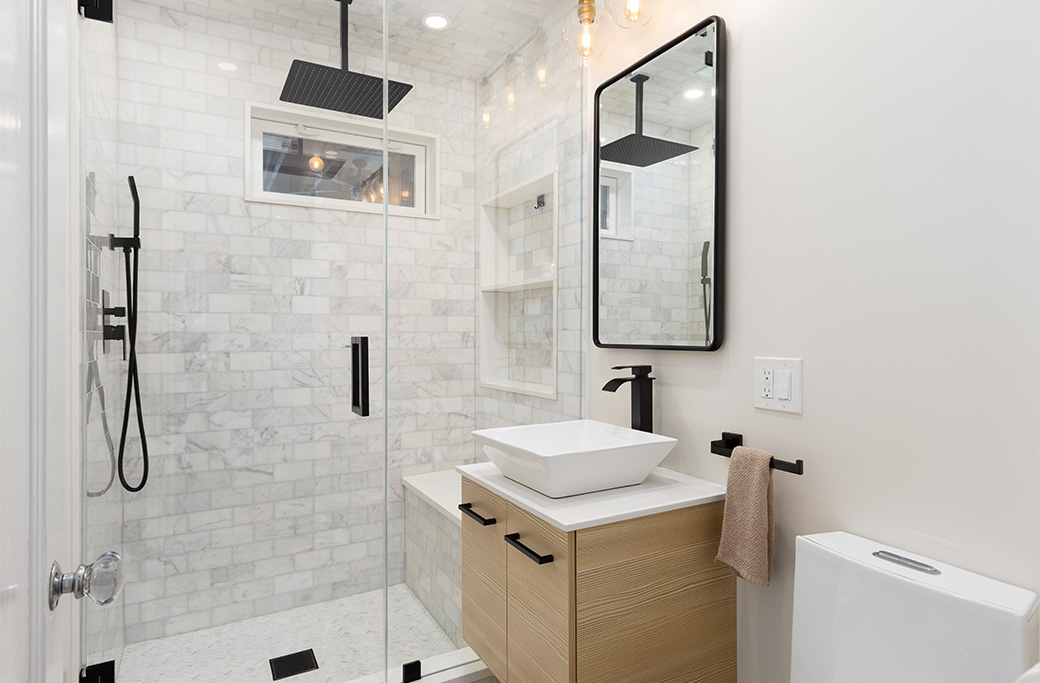
Small bathrooms benefit from thoughtful tile choices that make the space feel larger and calmer. Light, neutral colors reflect light and open up the room. Extending shower tile vertically draws the eye upward, while consistent flooring throughout reduces visual transitions that chop up a small footprint. Glass shower enclosures keep sightlines open rather than boxing off the space.
One myth worth retiring: you don’t have to use tiny tile in a small bathroom. Larger tiles can actually work very well when properly planned, since fewer grout lines create a cleaner, less cluttered look.
Tile is only one part of a small-bathroom budget. For the full picture, see our breakdown of small bathroom remodel costs in Rhode Island.
6. Tile Styles That Work Well in Rhode Island Homes
Rhode Island’s mix of coastal charm and historic architecture gives you plenty of stylistic direction. A few looks consistently suit local homes:
-
- Coastal-inspired: soft blues, warm whites, sandy neutrals, and subtle textures that echo the shoreline.
- Traditional: subway tile, hexagon floors, basketweave-inspired patterns, and marble-look finishes.
- Modern traditional: classic materials paired with cleaner grout lines, updated fixtures, and neutral palettes.
- Spa-inspired: stone-look porcelain, warm neutrals, natural textures, and large-format shower walls.
Keep in mind that older Rhode Island homes don’t necessarily need “historic-looking” bathrooms. Many homeowners successfully blend timeless materials with modern comfort. If you own an older property, our guide to remodeling bathrooms in older Rhode Island homes covers how to balance character with practicality.
7. How to Choose a Bathroom Tile Color
The best tile color rarely gets chosen in isolation. Coordinate your tile with the vanity, countertop, fixtures, wall paint, natural light, and the size of the room. A color that looks perfect in the showroom can fall flat once it sits next to a warm-toned vanity or a north-facing window.
Select the whole palette together, not piece by piece. Choosing tile, vanity, and paint independently is how bathrooms end up feeling mismatched. Start by anchoring one element (often the tile or the vanity) and build the rest around it.
For help pairing surfaces, see our guides on choosing the right bathroom vanity and the best bathroom paint colors.
8. Don’t Forget Grout, Maintenance and Slip Resistance
This is where contractor advice separates from a Pinterest board. The tile you pick is only part of a successful installation—the details underneath and between the tiles determine how well it holds up.
Consider:
-
- Grout line maintenance and how much cleaning you’re willing to do
- Grout color, which affects both appearance and how visible stains become
- Slip resistance, especially on floors and shower floors
- Cleaning demands based on tile texture and format
- Shower-floor considerations like slope and drainage
- Proper waterproofing beneath the tile
Here’s the key point: tile is only one layer of a bathroom that performs. The substrate preparation, waterproofing, setting materials, grout, and installation quality all determine how well the finished bathroom holds up over time. That’s the part homeowners rarely see and the part we never cut corners on.
9. How Much Does Bathroom Tile Affect Remodeling Cost?
Tile can swing your remodel budget significantly, and several factors drive that cost: the material you choose, the total square footage, the pattern complexity, installation difficulty, demolition and preparation, shower waterproofing, and how much surface you’re covering.
Scope makes the biggest difference. A straightforward floor installation and a floor-to-ceiling custom tiled shower are entirely different projects, both in labor and materials. Intricate patterns and large-format tiles also require more precision, which adds to installation time.
For a full breakdown, see our guide to bathroom remodeling costs in Rhode Island, which covers the biggest factors that affect bathroom remodel cost.
10. How to Choose Tile You’ll Still Like Years From Now
Trends come and go, but your bathroom stays. The smartest approach balances current style with long-term satisfaction:
-
- Use timeless tile across larger surfaces like floors and shower walls
- Add personality through accents that are easier and cheaper to change later
- Factor in maintenance before you fall for a high-upkeep finish
- Consider your home’s architecture so the bathroom feels cohesive
- Don’t choose purely for resale, and don’t choose purely because something is trending
A tile you genuinely enjoy, one that suits your home and your daily routine, will always outperform a fleeting trend.
Choosing Bathroom Tile With Home Renovation Pros
Choosing bathroom tile is far easier when it’s considered as part of the entire renovation rather than as an isolated design decision. At Home Renovation Pros, we help Rhode Island homeowners coordinate tile with the bathroom layout, vanity, countertops, fixtures, lighting, and other finishes—always with durability and everyday use in mind.
We’re not a tile store. We’re a full-service bathroom remodeling team that handles design, materials, and installation in-house, so every element works together in the finished space.
Start Planning Your Rhode Island Bathroom Remodel
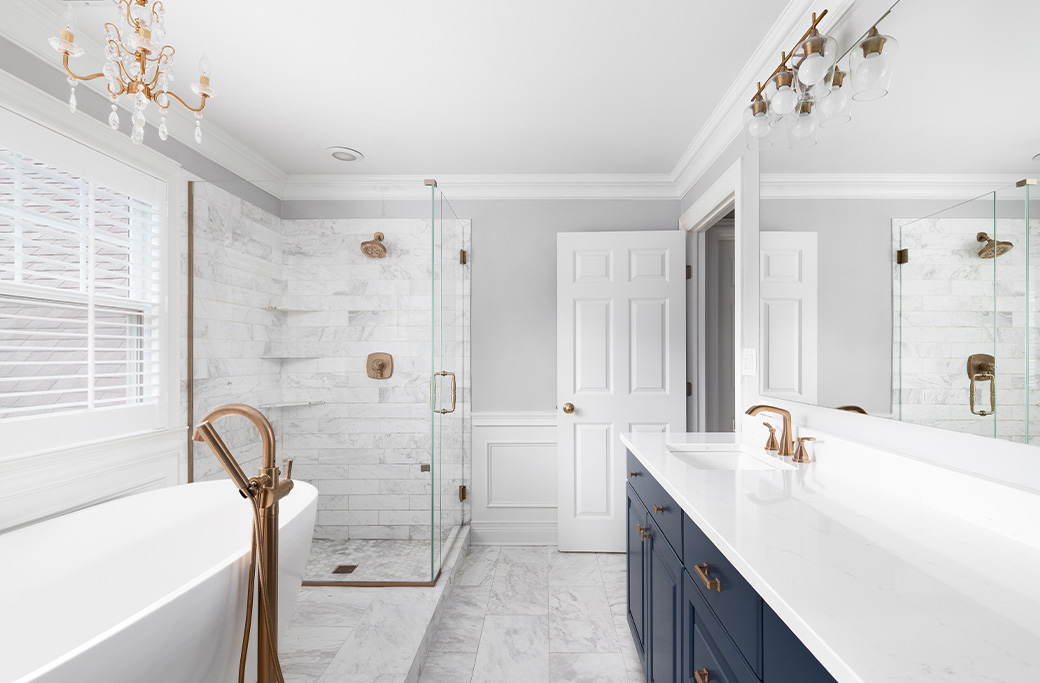
Whether you’re envisioning a tiled walk-in shower, updating an outdated bathroom floor, or planning a complete bathroom transformation, Home Renovation Pros can help you choose materials that fit your home, style, and remodeling goals.
Contact Home Renovation Pros today to schedule a bathroom remodeling consultation and start planning your project.