Quick Answer: Are Permits Required for Bathroom Remodels in Rhode Island?
Yes, many bathroom remodels in Rhode Island require permits, especially when projects involve plumbing, electrical work, structural changes, or layout modifications. Cosmetic updates such as painting or replacing fixtures may not require permits, but larger renovations should be reviewed to ensure the work meets Rhode Island building codes and inspection requirements.
When Is a Permit Required for a Bathroom Remodel in Rhode Island?
Bathroom remodeling permits are typically required when the project changes systems that affect safety, structure, or code compliance.
Common examples include:
-
- Moving plumbing lines
- Installing new electrical wiring
- Adding or relocating lighting
- Changing bathroom layouts
- Installing new ventilation
- Altering walls or structural components
- Replacing certain plumbing fixtures
Since every project is different, homeowners should confirm requirements before construction begins.
What Bathroom Remodel Work Usually Requires a Permit?
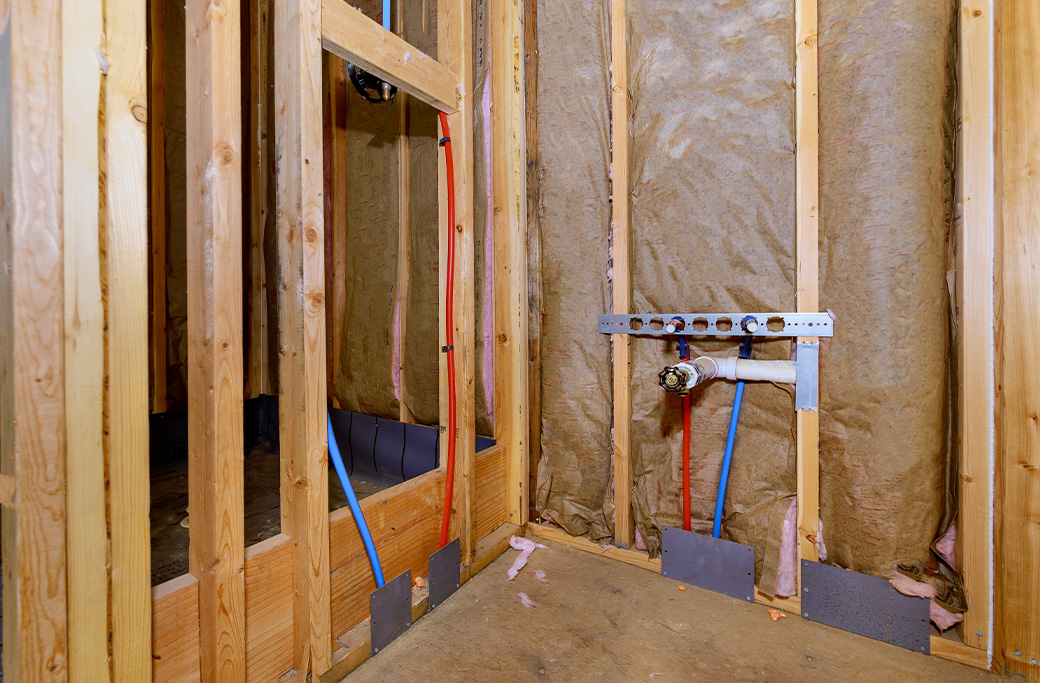
Plumbing Changes
Moving a sink, toilet, shower, or bathtub often requires plumbing permits and inspections.
Examples:
-
-
- Relocating a toilet
- Changing shower placement
- Installing new water lines
- Updating older plumbing systems
-
Keeping your existing layout can often simplify the process and reduce both cost and timeline.
Electrical Upgrades
Electrical work commonly requires permits to ensure safety.
Examples:
-
-
- Adding recessed lighting
- Installing new outlets
- Updating bathroom wiring
- Adding heated flooring
- Installing exhaust fans
-
Bathrooms have strict electrical safety requirements because of their exposure to moisture.
Structural Changes
Projects involving walls, windows, or major layout changes may require additional approvals.
Examples:
-
-
- Removing walls
- Enlarging a bathroom
- Changing door openings
- Modifying framing
-
What Bathroom Updates Usually Do Not Require a Permit?
Minor cosmetic improvements often do not require permits.
Examples may include:
-
- Painting
- Replacing mirrors
- Updating hardware
- Replacing faucets without changing plumbing
- Installing new accessories
However, requirements vary by municipality and project scope.
Why Permits Matter During a Bathroom Renovation

Some homeowners view permits as an unnecessary step, but they protect both the homeowner and the investment.
Permits help ensure:
-
- Work meets safety standards
- Plumbing and electrical systems are installed correctly
- Future buyers have confidence in the renovation
- Problems are identified before they become expensive repairs
Proper permitting can also prevent issues during a future home sale.
How Long Do Bathroom Remodel Permits Take in Rhode Island?
Permit timelines vary depending on the municipality, project complexity, and whether plans or inspections are required.
Simple projects may move quickly, while larger renovations involving structural changes may require additional review. Planning ahead helps prevent delays once construction begins.
Do Older Rhode Island Homes Need More Permit Considerations?
Many Rhode Island homes have older systems that may require additional attention during remodeling.
Older bathrooms may have:
-
- Aging plumbing
- Outdated electrical systems
- Previous renovations that were not completed to current standards
- Water damage behind walls
A professional evaluation before demolition can help identify potential issues early.
Can You Remodel a Bathroom Without Permits?
Completing work that requires permits without obtaining them can create problems later.
Potential issues include:
-
- Failed inspections
- Delays during resale
- Difficulty proving improvements were completed properly
- Required corrections
Working with an experienced remodeling contractor helps ensure the project follows local requirements.
How Home Renovation Pros Helps Rhode Island Homeowners
At Home Renovation Pros, we help homeowners understand the entire remodeling process before construction begins.
Our approach includes:
-
- Reviewing project scope
- Identifying potential permit requirements
- Planning realistic timelines
- Coordinating skilled trades
- Delivering quality bathroom renovations
A successful bathroom remodel starts with proper planning, clear expectations, and experienced guidance.
Get Help Planning Your Rhode Island Bathroom Remodel
Planning a bathroom renovation can feel overwhelming, especially when you are balancing design decisions, budgeting, permits, and construction timelines. Home Renovation Pros helps Rhode Island homeowners navigate each step of the remodeling process with clear communication and expert guidance.
From evaluating your existing bathroom layout to selecting materials and coordinating skilled trades, our team helps create a renovation plan that fits your home, goals, and budget.
Whether you are updating an outdated bathroom, replacing a tub with a walk-in shower, or planning a complete bathroom transformation, we can help you understand your options and what to expect before construction begins.
Ready to start your bathroom remodel? Contact Home Renovation Pros today to schedule your free consultation and receive a personalized estimate for your Rhode Island home.